The Bharat Blog
Deep dives into web development, AI, analytics, full-stack engineering, and building a career in tech.
Search results
Featured
MERN
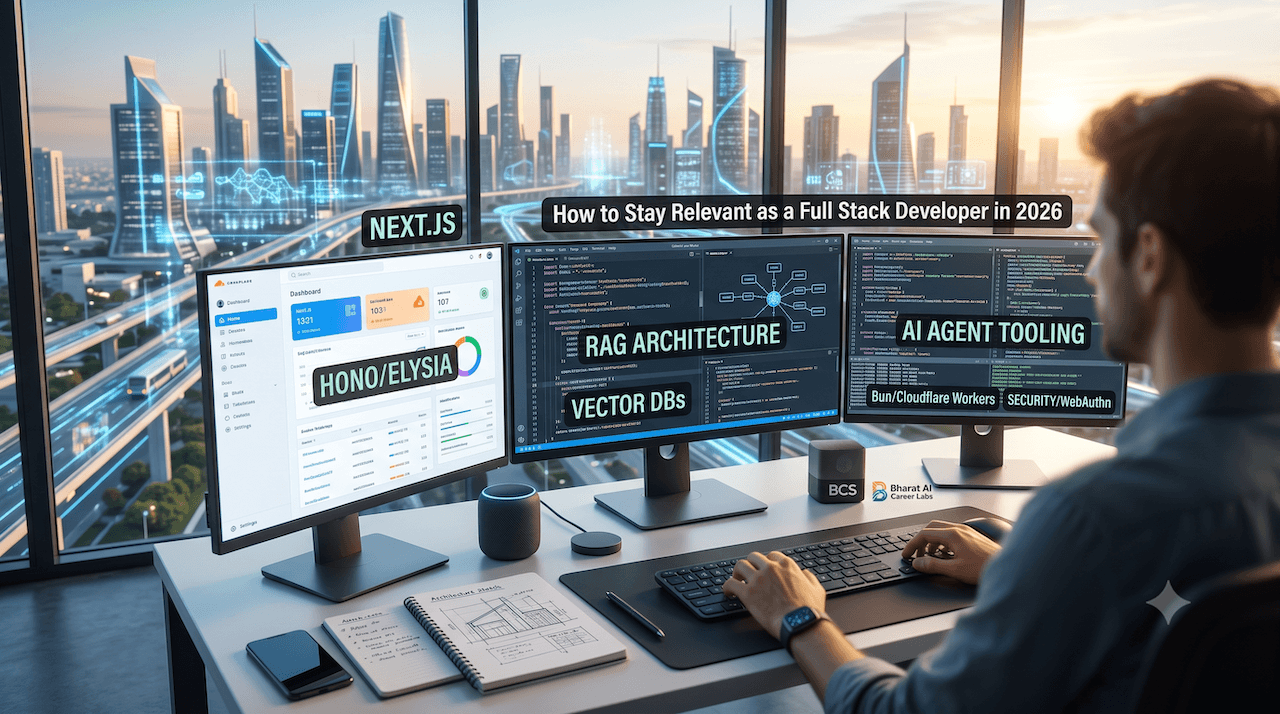
How to Stay Relevant as a Full Stack Developer in 2026
The old paradigm of hooking a frontend framework up to a basic CRUD API is no longer enough to land premium roles. With AI agents auto-generating boilerplate code in seconds, staying relevant demands a shift from writing raw syntax to engineering system architectures. Discover the core tools, databases, and AI-native architectures required to remain indispensable in 2026.
Jul 15, 2026314.41 min read
Featured
General
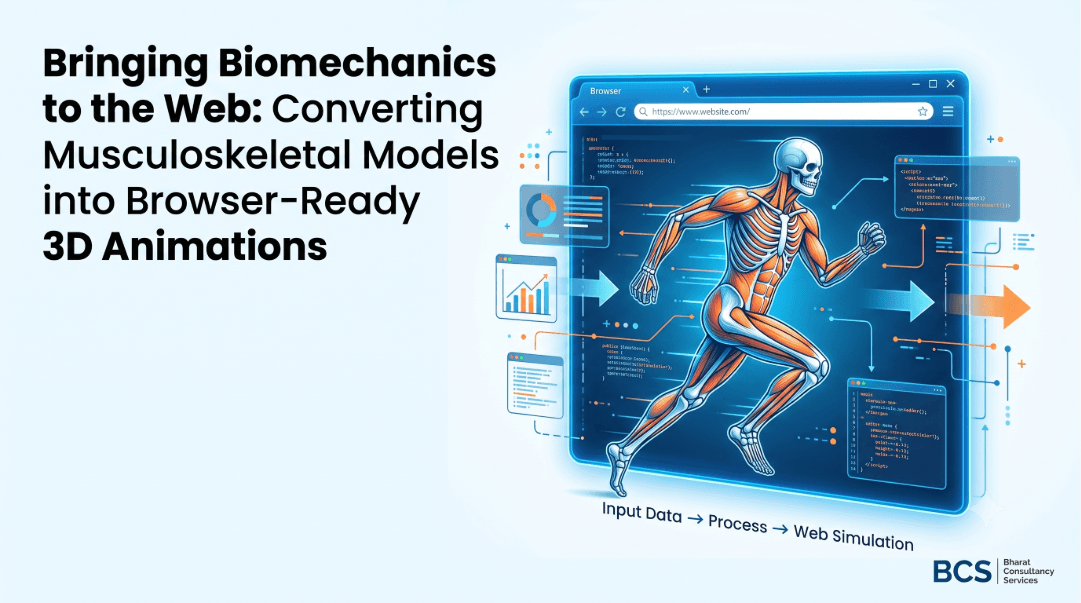
Bringing Biomechanics to the Web: Converting OpenSim Musculoskeletal Models into Browser-Ready 3D Animations
Discover how to bridge the gap between high-fidelity biomechanical data and web performance. This guide walks through converting heavy OpenSim musculoskeletal models into lightweight, interactive glb animations viewable in any standard browser via Three.js
Jul 7, 20261424.71 min read
General
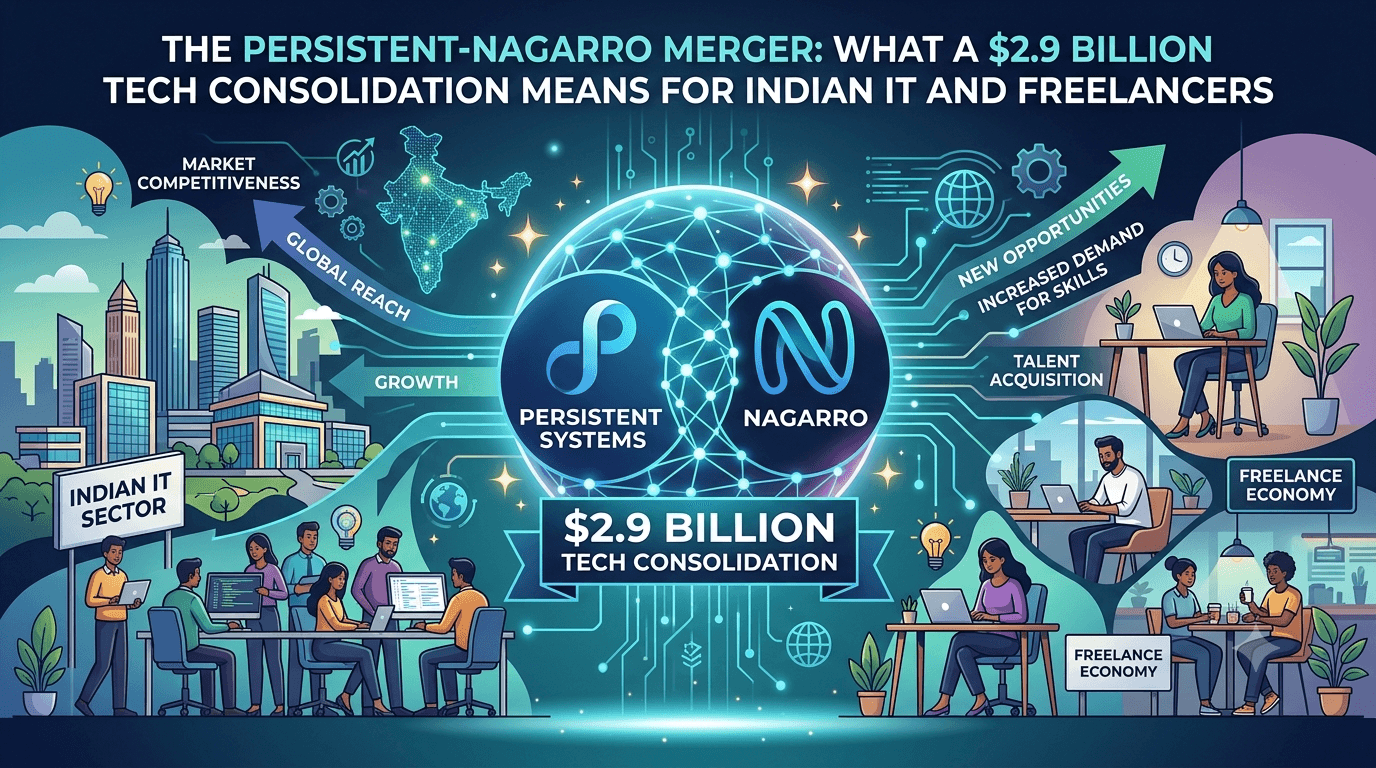
The Persistent-Nagarro Merger: What a $2.9 Billion Tech Consolidation Means for Indian IT and Freelancers
Persistent Systems' €1.1 billion takeover of Nagarro SE is redefining mid-cap IT. Discover how this massive transatlantic synergy impacts Indian IT consulting and what independent developers must do to adapt and survive.
Jun 30, 2026303.91 min read
Featured
Agents
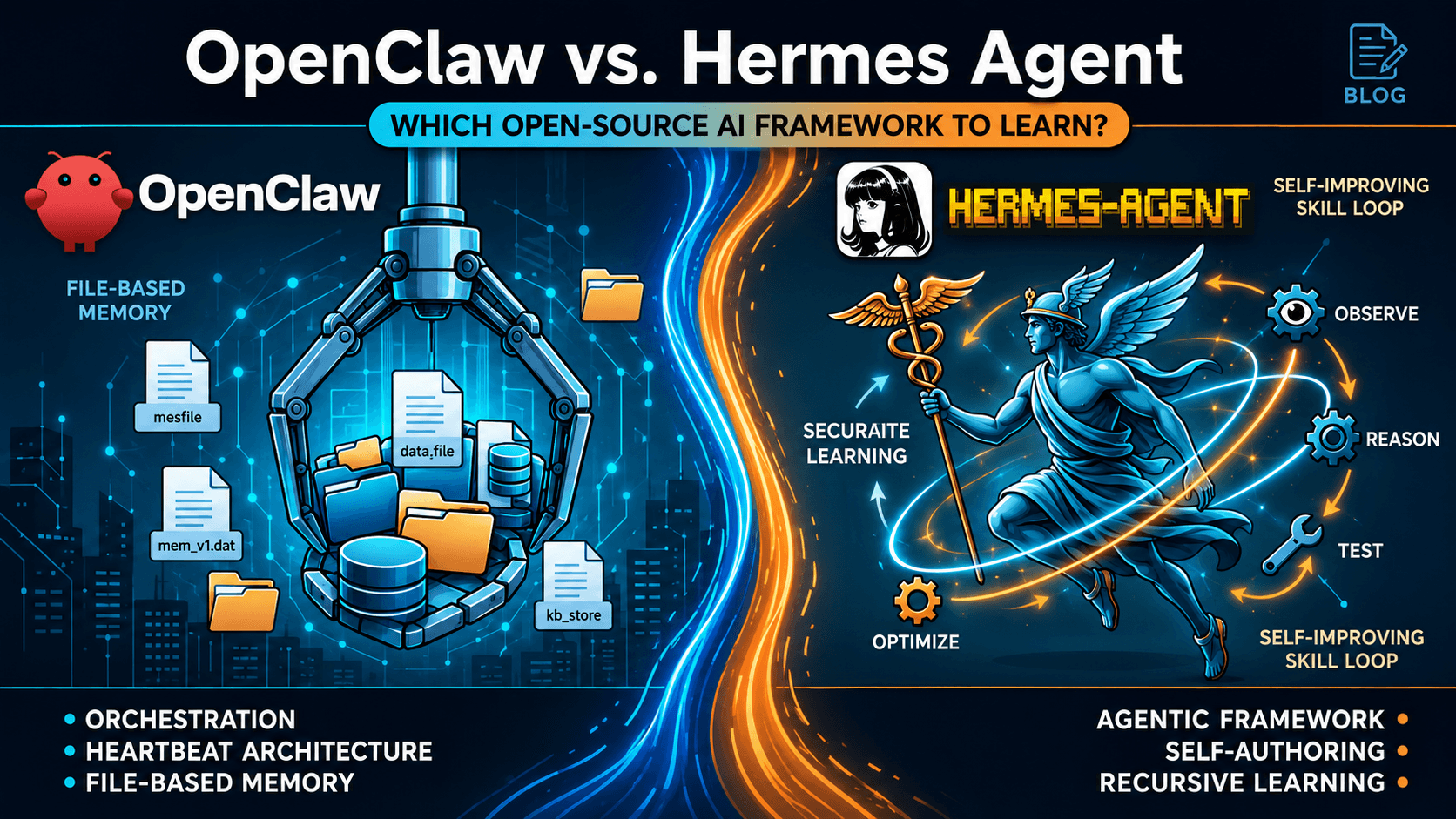
OpenClaw vs. Hermes Agent
Both OpenClaw and Hermes Agent run open-source AI assistant workloads straight from your messaging apps, but they split on philosophy. Here is how to choose between OpenClaw’s file-based memory and Hermes's self-improving skill loop.
Jun 30, 20261714.51 min read
AI
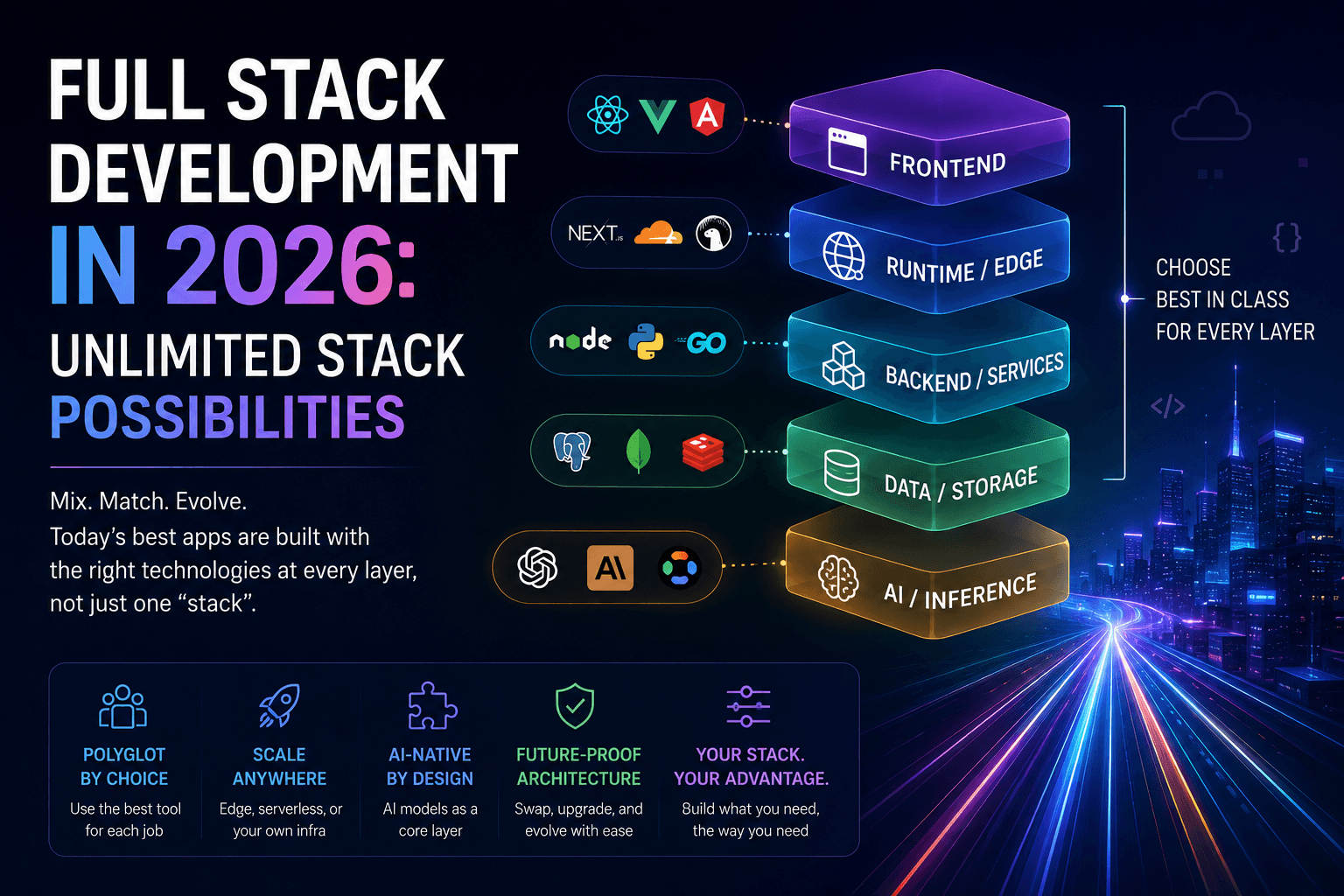
Full Stack Development in 2026: Unlimited Stack Possibilities
"Full stack" no longer means one fixed combo of frontend, backend, and database. In 2026, it means mixing frontend frameworks, runtimes, databases, and even AI inference as independent layers — here's how to actually choose between them.
Jun 26, 2026914.71 min read
AI
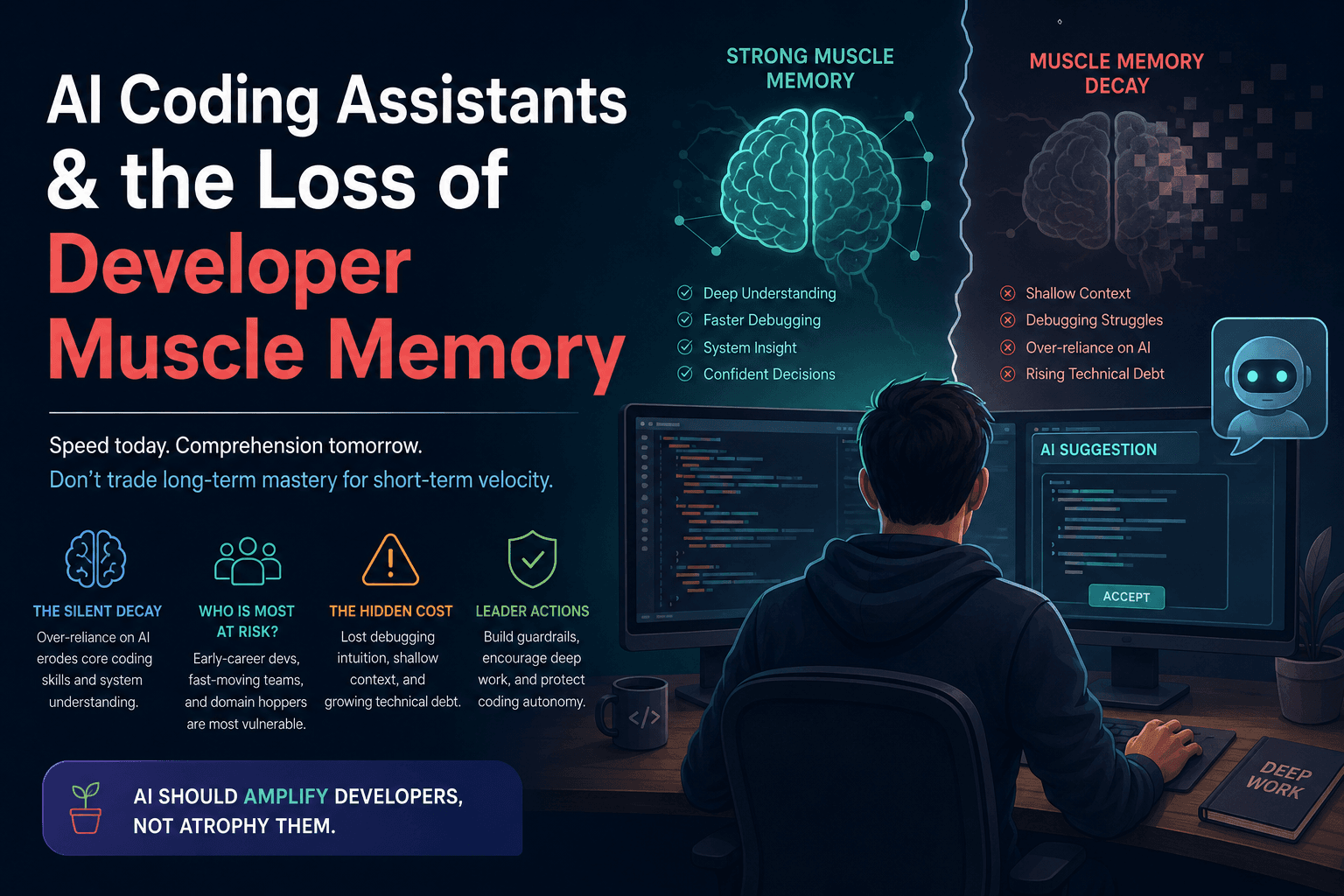
Reclaiming Dev Autonomy: Addressing the Silent Decay of Coding Muscle Memory in the AI Era
The rapid adoption of AI coding agents has accelerated software prototyping speeds, but at a hidden cognitive cost. This article examines how over-reliance on automated models impacts developer muscle memory, identifies who is most vulnerable, and provides actionable strategies for engineering leaders to balance velocity with long-term system comprehension.
Jun 26, 2026404.51 min read
Featured
AI
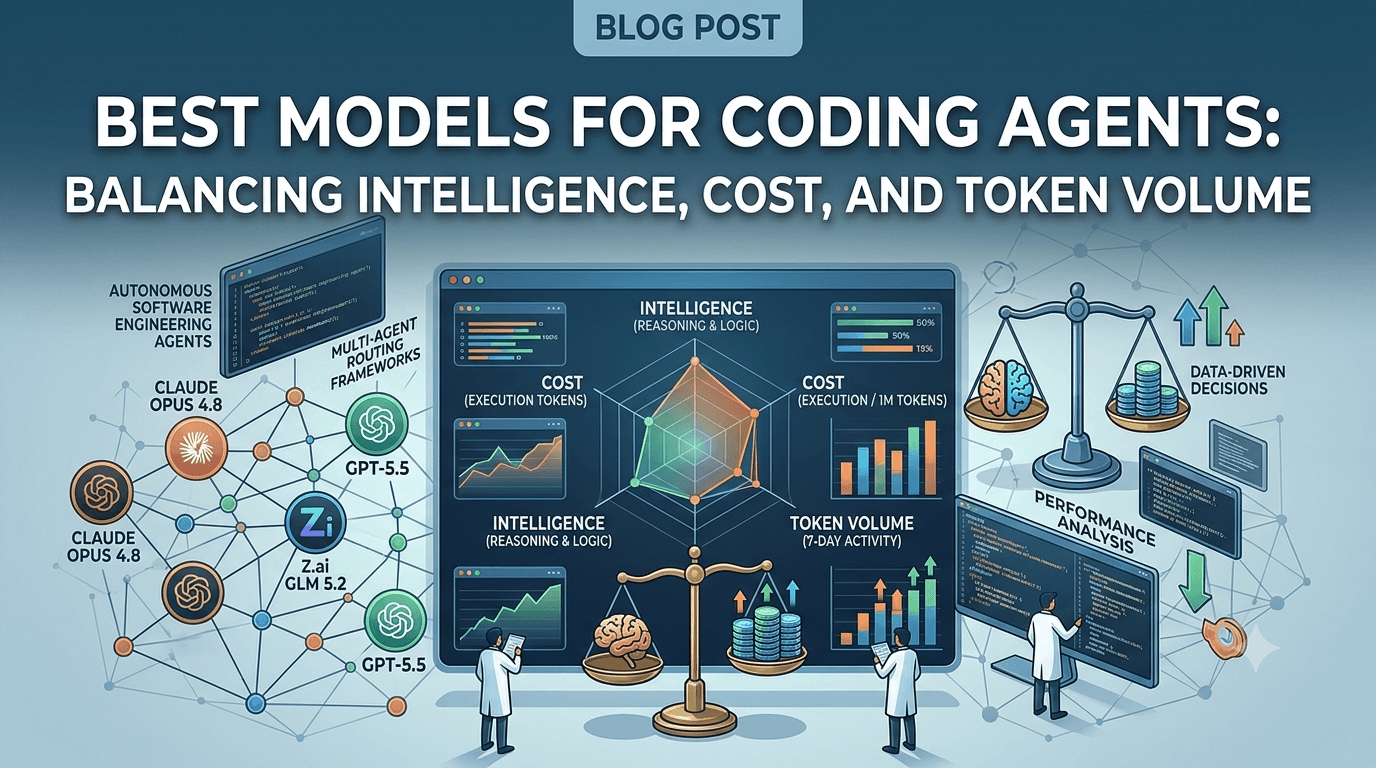
Ranking coding models based on Intelligence/Cost
An analytical look at real-world OpenRouter data to determine which foundation models dominate active agent pipelines, weighing cognitive reasoning capabilities against execution costs and 7-day token volumes.
Jun 26, 20261914.51 min read