Bharat Consultancy ServicesConsulting services and AI careers
All case studies
3D Web & Biomechanics

OpenSim musculoskeletal models to the web

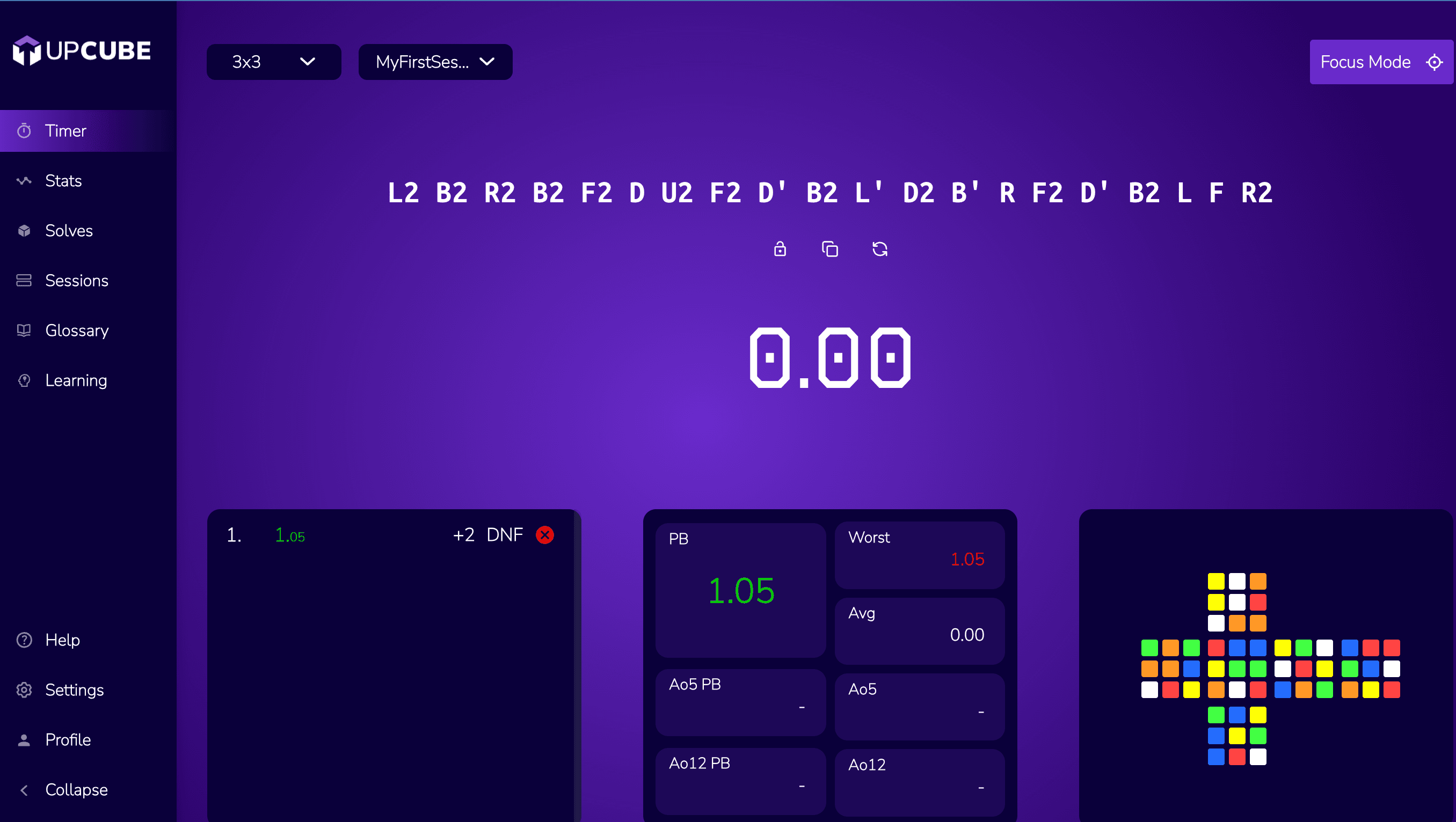
A high-performance pipeline and web viewer that translates complex OpenSim biomechanical motion data (.osim, .mot, .trc) into lightweight binary .glb 3D animations viewable natively in any browser via Three.js.

OpenSim 3D Biomechanics Web Viewer For ForgeLabs.in case study preview
3D Web & Biomechanics
Digital Health & Motion Science

Project snapshot

Web-based 3D pipeline converting OpenSim musculoskeletal models into interactive WebGL browser animations.

4 deliverables3 solution tracks4 delivery stages
4Core deliverables
4Implementation themes
3Outcome signals
The brief

What the project needed to solve

These projects were shaped around practical business goals, so the case study starts with the context behind the build.

Project context

Specialized biomechanics software like OpenSim has long been the gold standard for analyzing human movement and joint forces, but sharing models traditionally required bulky local software or rendering intensive video files.

This project bridges the gap between high-fidelity musculoskeletal modeling and web performance, delivering a Python conversion pipeline and lightweight Three.js frontend for zero-plugin interactive 3D web playback.

What shaped the work

  • Convert complex OpenSim motion trajectories (.mot) and model skeletons (.osim) into optimized binary glTF (.glb) files.
  • Handle coordinate system transformations from OpenSim (Y-up, X-forward, Z-right) to WebGL scene standards (+90° Y-axis rotation, degree-to-radian conversion).
  • Deliver smooth, zero-latency 3D rendering in standard web browsers across desktop and mobile devices without external plugins.

Delivery approach

  • Biomechanical data schema & OpenSim model analysis
  • Kinematic coordinate translation & GLB baking algorithm build
  • Three.js WebGL viewer implementation & performance tuning
  • Technical article publish, video walkthrough release & case study launch
How we approached it

Solution layers that moved the build forward

The implementation combined interface thinking, product clarity, and delivery discipline instead of treating the work as a single design pass.

Focus 1

End-to-end motion capture to WebGL pipeline

Designed a multi-step workflow spanning video pose tracking (MediaPipe Pose), OpenSim Inverse Kinematics (.trc / .mot), and automated .glb scene baking.

Focus 2

Python parsing and mathematical retargeting

Built custom Python utilities (using PyGLTFLib and NumPy) to parse joint hierarchies, map coupled splines, and normalize coordinate spaces.

Focus 3

Lightweight Three.js 3D web viewer

Implemented a WebGL frontend renderer using Three.js GLTFLoader with optional FABRIK IK solver support for client-side motion adjustment.

Video walkthrough

See the 3D pipeline in action

Watch the step-by-step video demonstration of OpenSim 3D biomechanical models running interactively in the web browser.

What shipped

The assets, systems, and capabilities behind the build

A strong project outcome depends on what actually gets delivered, not just how the final screen looks.

Deliverables

  • OpenSim-to-glTF/GLB Python conversion engine (gem4_motion.py, osim_mot_to_gltf.py)
  • Interactive 3D WebGL biomechanics viewer component
  • Support for complex joints, splines, and inverse kinematics retargeting
  • Full technical article, YouTube video guide & documentation

Implementation themes

  • Python (NumPy, PyGLTFLib, VTK Toolkit)
  • Three.js & WebGL 3D rendering engine
  • OpenSim musculoskeletal physics framework
  • MediaPipe Pose computer vision tracking

Resulting value

  • Zero-plugin interactive 3D model viewing directly in standard browsers
  • Drastic payload reduction for mobile-friendly 3D transmission via binary glTF
  • Accessible digital health, athletic research, and web-based motion visualizer
Outcome

OpenSim 3D Biomechanics Web Viewer For ForgeLabs.in in one line

The OpenSim 3D Biomechanics Web Viewer enables researchers, sports scientists, and developers to render high-fidelity musculoskeletal simulations interactively directly in any web browser.

More work

Related project case studies

Explore the other builds featured on the Bharat Consultancy Services homepage.